Attic Insulation in Cypress: How Much Energy Is Escaping Through Your Ceiling Right Now
A Cypress attic in July reaches 140 degrees - if your insulation is thin or settled, that heat conducts straight into your living space and your AC bill.
August 27, 2026 · 3 min read
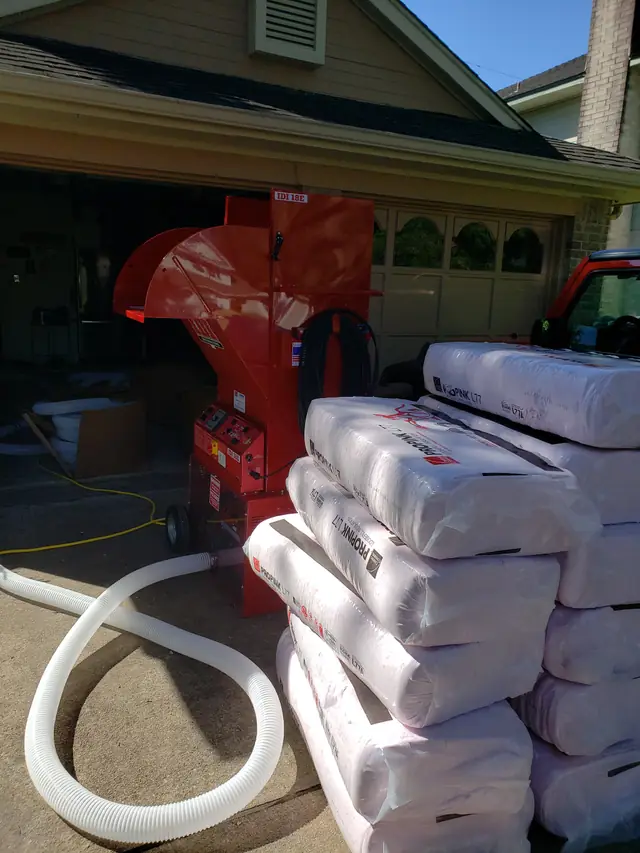
The hottest room in your house is the one you never enter. A Cypress attic in midsummer routinely reaches 130 to 150 degrees Fahrenheit. The insulation between that attic and your living space is the only barrier between that heat and the air-conditioned interior below. When insulation is thin, settled, or missing in spots, the ceiling becomes a heat radiator. Your AC runs longer, works harder, and loses the race against an attic that is trying to cook the house from above.
What the Department of Energy recommends for this climate zone
Cypress sits in DOE Climate Zone 2, which covers the hot, humid Gulf Coast region. The recommended attic insulation level for this zone is R-38 to R-60. R-value measures resistance to heat flow; higher numbers mean more resistance. Many homes built before the late 1990s were insulated to standards well below current recommendations, and even newer homes often fall short after insulation settles over a decade. The only way to know where you stand is to measure what is actually up there.
Why blown-in insulation works better than batts for existing attics
Fiberglass or cellulose blown-in insulation fills gaps that batt insulation cannot. Batt insulation - the pink fiberglass rolls most people recognize - works well during construction when there is nothing in the way. In an existing attic with trusses, wiring, plumbing penetrations, and irregular framing, batts leave air gaps that defeat the purpose. Blown-in material flows around obstructions and settles into every cavity, producing consistent coverage at the rated R-value without the gaps.
The Owens Corning blown-in system that Blue Label uses is a low-dust formulation that installs quickly and remains stable over time. The insulation does not settle significantly after the first year, which means the R-value you install is close to the R-value you have a decade later.
Air sealing matters as much as insulation depth
Insulation slows conductive heat transfer. Air sealing stops convective transfer - the movement of actual hot air through gaps and penetrations. Every recessed light, attic access hatch, wiring chase, and plumbing penetration is a potential air pathway. Hot attic air infiltrating through these gaps carries BTUs directly into conditioned space and bypasses the insulation layer entirely. A complete attic upgrade addresses both: seal the penetrations first, then blow in insulation over the top.
What the energy savings actually look like
Heating and cooling accounts for the largest share of residential energy use in Texas - typically 40 to 50 percent of the total electricity bill for a home without other major upgrades. The DOE estimates that upgrading attic insulation to current recommendations in Climate Zone 2 can reduce heating and cooling costs by 10 to 20 percent depending on existing conditions. For a Cypress home paying $300 per month in peak summer electricity costs, that is a meaningful annual reduction.
The other benefit is system longevity. An AC that runs fewer hours to maintain temperature accumulates fewer operating hours, which means fewer maintenance events and a longer service life. Insulation is one of the few home improvements that pays dividends on the HVAC side as well as the utility side.
Signs your attic insulation is underperforming
- Rooms on the top floor are consistently warmer than rooms below, even with the thermostat set low.
- Your AC runs nearly continuously during peak summer afternoons rather than cycling on and off.
- You can see the attic floor joists when you look into the attic - properly insulated attics have insulation level with or above the joists.
- The attic access hatch has no insulation on it and is not weather-stripped.
- Your electricity bills in July and August are significantly higher than neighbors with similar-sized homes.
Blue Label's insulation team works alongside its HVAC crews, which means an insulation upgrade and an AC check can happen on the same visit rather than requiring two separate contractors. Call (832) 429-2209 to schedule an attic assessment.
Blue Label Services — (832) 429-2209
Call (832) 429-2209More articles
What Actually Happens During an AC Tune-Up (and Why Skipping It Costs More Than the Visit)
A maintenance visit is not just a filter swap - it is the only way to catch the problems that become $2,000 repairs in August.
Repair or Replace Your AC? A Straight Answer for Northwest Houston Homeowners
Age, repair cost, and your system's refrigerant type are the three numbers that settle most repair-or-replace decisions before a tech arrives.