Getting Your HVAC System Through a Gulf-Coast Summer
A Houston summer asks more of a system than most climates ever will, and a few checks can head off the worst of it.
August 25, 2026 · 4 min read
A Houston-area HVAC system doesn't get much of a break. It's running hard from April through October, working against heat, humidity, and the occasional hurricane-season power event, all in the same season. That's a different kind of demand than a system in most other parts of the country ever sees. A little attention before and during that stretch goes a long way toward keeping a system running instead of failing at the worst possible moment, and there's a fair amount a homeowner can check without needing a technician on site.
Before the season really gets going
Walk around the outdoor unit and clear anything growing up against it. Grass, weeds, and shrubs that have crept in over the spring restrict airflow to the condenser coil, and that unit needs open space on all sides to do its job. Two feet of clearance is a reasonable target. While you're out there, take a look at the coil itself. If you can see it's matted with debris, that's worth a cleaning before the system has to run flat out for months.
Inside, check the filter and get in the habit of replacing it on a real schedule, not just when it looks obviously dirty. A clogged filter restricts airflow across the whole system, which makes the unit work harder and can lead to the indoor coil icing over, which then makes cooling worse, not better, until the ice has fully melted.
What to check yourself during the season
- Listen for new or unusual noises from the outdoor unit, especially a rattle, a grinding sound, or a hum without the fan actually spinning
- Check that water is draining properly from the condensate line rather than pooling near the indoor unit
- Feel airflow at a few different vents around the house and note if any room seems noticeably weaker than the others
- Keep an eye on the electric bill for a sudden jump that isn't explained by a stretch of unusually hot weather
- Confirm your thermostat batteries are fresh going into hurricane season, since a dead thermostat during a storm-related outage adds one more thing to deal with
None of these require opening up the equipment or doing anything technical. They're the kind of checks that take five minutes and catch a problem while it's still small and cheap to fix, rather than after it's turned into a no-cool call in August.
Hurricane season adds its own list
Power events during hurricane season are hard on HVAC equipment, particularly compressors, which don't like being cut off and restarted repeatedly in a short window. If you lose power, it's worth waiting a few minutes before letting the system restart rather than immediately overriding a breaker, giving pressures inside the system a chance to equalize. After any outage that lasted more than a few hours, it's reasonable to keep an ear out for anything that sounds different than usual when the system kicks back on.
It also helps to know what a normal system sounds and feels like on an ordinary day, before anything goes wrong. A few minutes standing near the outdoor unit on a calm afternoon, and a hand held up to a couple of vents around the house, gives you a baseline. Once you know what normal is for your own system, a change from that baseline is a lot easier to notice early, instead of only realizing something was off after the system has stopped cooling altogether.
When it's time to call someone instead
Self-checks are useful, but there's a real line past which guessing costs more than it saves. Refrigerant handling, electrical diagnosis, and anything involving the compressor itself need a licensed technician, both for safety and because misdiagnosing those issues tends to turn a repair into a much bigger one. If a system is short-cycling, blowing warm air, or making a noise that wasn't there last week, that's the point to stop troubleshooting and get someone out.
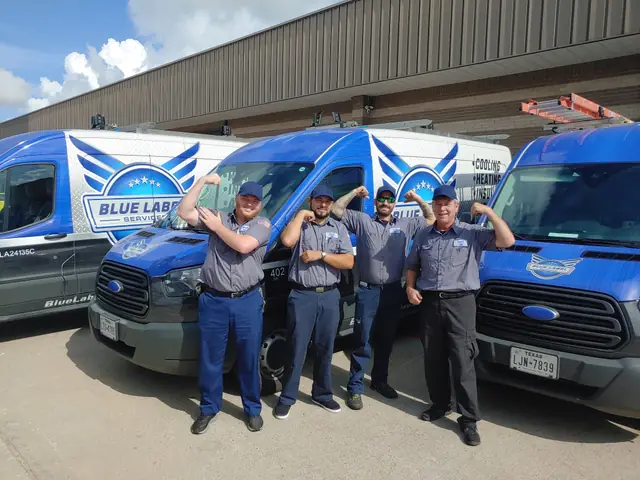
Blue Label Services offers emergency HVAC repair across Cypress, Houston, Katy, Tomball, Spring, Magnolia, Bellaire, and Missouri City, and has built the business around exactly this kind of Gulf-coast strain since Bill Fortner founded it in 2019. With a 4.9-star rating across 773 Google reviews and a family crew that includes his two sons and his daughter, the goal on any given summer call is the same one it's been since day one: get the system back on before the heat does any more damage than it already has.
Preparing a system for a Gulf-coast summer isn't a single afternoon of work. It's a handful of small habits spread across the season, most of which take less time than mowing the lawn. The systems that make it through August without a breakdown are rarely the newest ones. They're the ones that got looked at before the season started and got a second look partway through it.
Blue Label Services, (832) 429-2209
Call (832) 429-2209More articles
Why the Upstairs Never Cools Off in a Two-Story Cypress Home
Heat rises, but that's only half of why the second floor runs hotter than the first all summer long.
What Attic Insulation Actually Has to Do With Your AC Bill
The AC and the attic are working on the same problem whether anyone treats them that way or not.